David Dale's

Racing Stables

The stables at Tide Mills
The Dale Family
Young love
The Miracle Man
The Secret Ledger
Healing Horses
Dickie Dale
End of an era

The Stables Come to Tide Mills

Another big change came to Tide Mills in January 1922 when a successful ex-jockey, David Dale, first moved there. He took over William Catt’s old coal yard and built stables to treat racehorses that went lame. That means they were unable to walk without difficulty as the result of an injury or illness affecting their leg, hoof or foot.

At his peak, David could house up to 11 horses at one time, but had to put down all the horses that he could not re-home.

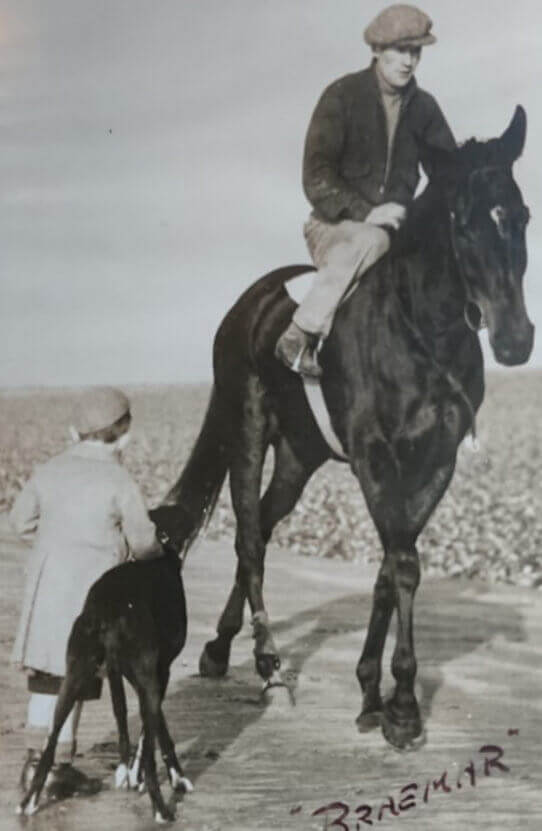
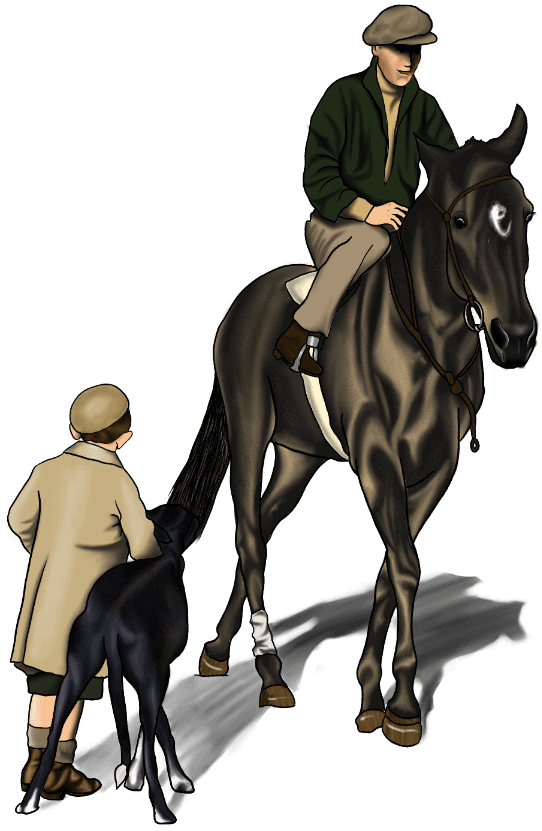
StablesIllustration StablesPhoto

The Dale Family

David Dale and his family first lived in a caravan but then built a nice bungalow next to the yard which had all the mod cons – including running water, a flushing toilet and a telephone (the number was: Newhaven 119). Their house was the only in the village with running water or a flushing toilet!

David and his wife Annie had three children: Leonard (born in 1916), then Dorothy 4 years later, and David 11 years later than that… Imagine having a brother 15 years older than you!

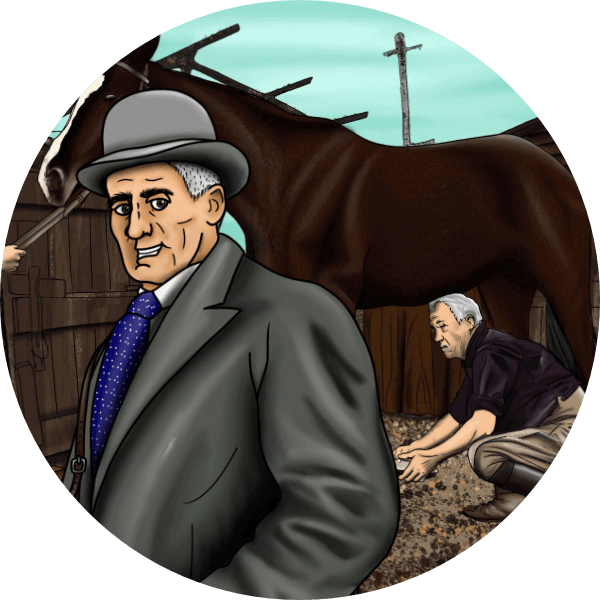
The Dales didn’t seem keen on using their first names. David Dale was known as “The Miracle Man” by the press, but his children all had nicknames too. Leonard was known to everyone as Syd, young David was nicknamed “Dickie”, and “Dickie’s” older sister Dorothy was known as “Dinkie”.

Question What do you think of nicknames? Can they be kind or cruel?
David Dales Portrait from a Newspaper Article

David Dale

Often referred to publicly in the press as "The Miracle Man" for his ability to rehabilitate the lame race horses

Born 1916
Leonard "Syd" Dale
Born 1916
Born 1920
Dorothy "Dinkie" Dale
Born 1920
Born 1931
David "Dickie"Dale
Born 1931
DinkieJack DinkieJsckPhoto

Young love

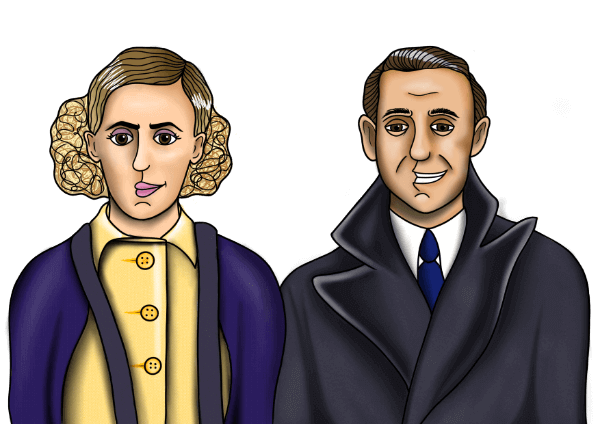
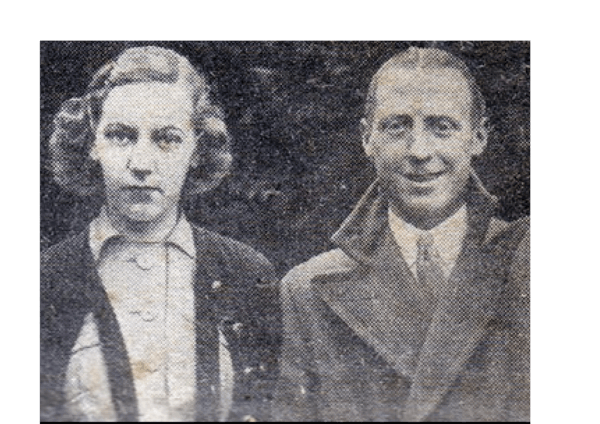
When she was 18, Dinkie eloped with one of her father’s former stable-lads, William Silvester – known to everyone as ‘Jack’. 

Jack had got a position as a jockey for the trainer Ernie Piggott (grandfather of the famous Lester Piggott)… but that’s another story!

The Miracle Man

Owners of the top racehorses were very rich, often Lords and Ladies. They always wanted to have the best trainers so their horses would win. 

A great deal of money could be made – and lost – by betting on the winning horses. Betting was (and still is) very much a part of horse racing.

When a racehorse became lame, it was well known in the racing world in the 1930’s to send them to David Dale, “The Miracle Man”, at Tide Mills. David had an excellent track record of healing lame racehorses and placing them back on the circuit – as winners!

Question What do you think of betting and gambling?

The Secret Ledger

In the stable grounds, David had a special secret shed under lock and key. In the secret shed he a special ledger where he logged all of his magic horse healing potions. 

David used to travel to secret locations around Sussex and Kent to collect different types of clay which he brought back to Tide Mills and mixed into different combinations. He would then spread the clay mixtures on the lame horse’s legs and wrap the legs in bandages. He knew and noted the recipe for every clay mixture he ever made.

The ledger and all of Dale’s secrets are missing, presumed lost!

Healing Horses

Dale would exercise the horses in the sea, sometimes using the wide breadth of sand at low tide as gallops. The horses also loved rolling in the sand. Most of all he used to swim the horses in the sea. He believed the sea air and water had special healing properties.

Evidence Take a look at these photos from the 1920s and 30s, and this matchbox illustration of a horse in the sea at Tide Mills.

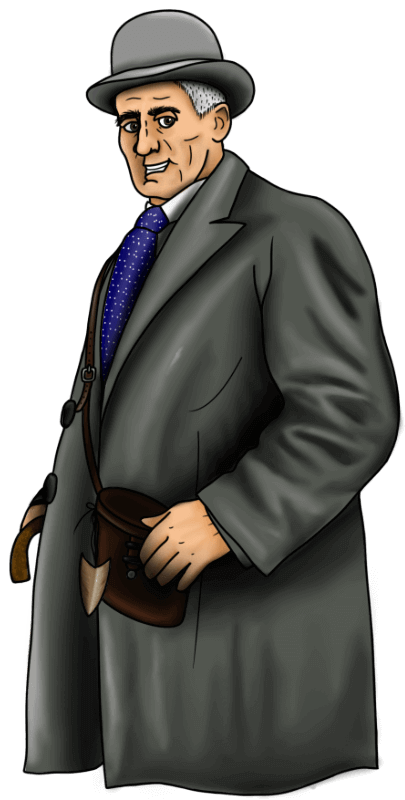
Some thought that David Dale was an ‘eccentric’ with a bowler hat, but some of his techniques are still used today. The benefits of swimming for recuperating athletes, both equine and human, are commonly understood now. This makes him a ‘pioneer’ of his time.

It seems Tide Mills attracted many pioneering ventures – from William Catt and the Mill to the Marine Hospital, Marconi Radio Station and WW1 Seaplane Station – do you think it is a special place?

DickieFlossOrig DickieAndFloss

Dickie (left) with his greyhound ‘Floss’, and older brother Syd riding a horse at Tide Mills

'Dickie' Dale

Now 90 years old!

Dickie (David) was only a baby when he arrived at Tide Mills but he soon adapted and grew up accustomed to village life. He was full of mischief and once got himself stuck up the water tower next to his bungalow. He made friends with six other children from Tide Mills village and they would walk every day, in wellies, to school in Bishopstone.

Dickie had his own pony, a push bike, and he learnt to catch eels in the creek! He also remembers watching his Dad at work but he was never allowed in the secret shed.

The love of Dickie’s childhood was his greyhound, Floss, and he even used to bandage the dog’s legs and tail copying what his father did to the horses. Dickie also remembers being friends with some grown-ups: the Marine Hospital Ambulance Driver and villagers Stanley Tubbs and Percy Thompson.

While still a boy, Dickie was riding a horse out to exercise on the gallops when the local pub cut down a tree and the almighty crash made the horse rear up and Dickie fell off. After that, and unlike the rest of his family, he never rode a horse again!
The end of an era

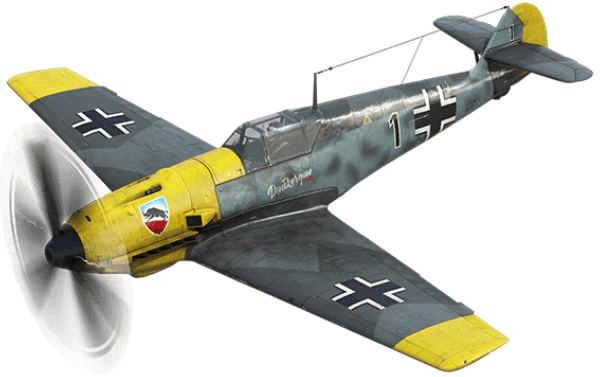
The Dale family were given only 48 hours to leave Tide Mills in 1940, when they were forcibly evicted with all the other inhabitants still living in the village. Dickie clearly remembers the sound and sight of the first German planes flying over Tide Mills on the way to London in 1940, just before they had to move out.

Initially the family moved to Gloucestershire, where David “The Miracle Man” worked in racing for several more years. After the war, Syd also returned to horse racing, becoming a successful trainer himself. Dinkie and Jack emigrated to Kenya (where Jack was a champion Jockey), and Dickie went into farming.

David Dale's stables was one of the last of many pioneering enterprises that called Tide Mills their home, adding another quirky story to the history of the village!

Explore Tide Mills
Choose an area on the map to explore...
  • Seaplane Station
  • The Mill
  • Seaplane Station
  • Chailey Heritage Marine Hospital
  • The Village
  • The Stables
  • Marine Hospital
As you explore
Look out for...
These labels will help you find your way around as you explore the Tide Mills Project website!
Questions
Questions to answer and think about
Activities
Fun things to make, do and try at home
Evidence
Historical sources that tell us about the past
Learn More
Delve deeper into a topic to learn more!
Plus
Click on the map icon to choose a new area to explore
Choose the menu icon to navigate to another part of our website

Success

Thanks for signing up! Keep your eye out for exciting news and opportunities to get involved coming soon…

Skip to content